Loveable: The Elegant Handwritten Font Redefining Modern Design
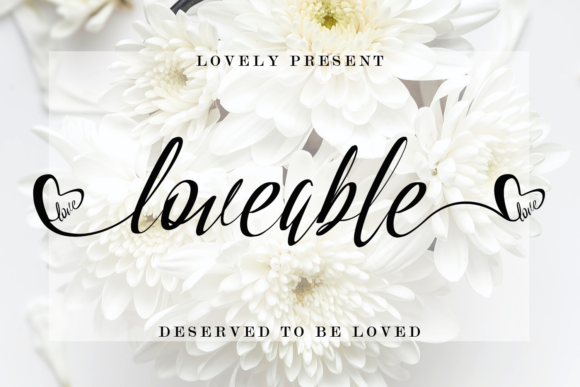
In a world where digital communication dominates, the human touch remains irreplaceable. Loveable is more than just a font—it's an expression of personality, elegance, and authenticity. With its flowing lines and natural variation, it brings a handwritten feel to any design, making it a favorite among creatives and professionals alike.
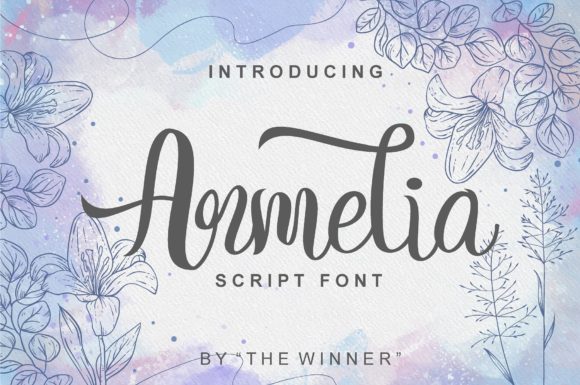
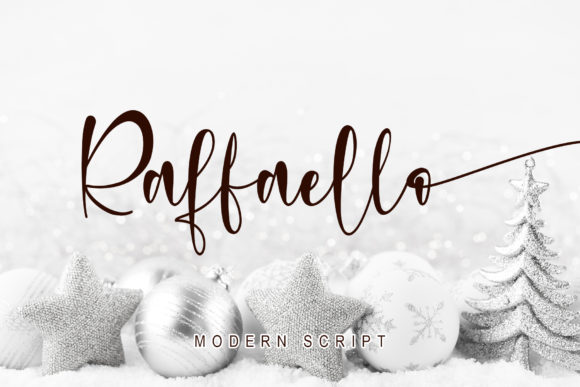
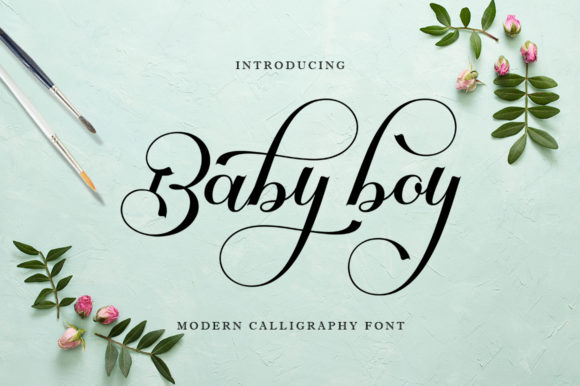
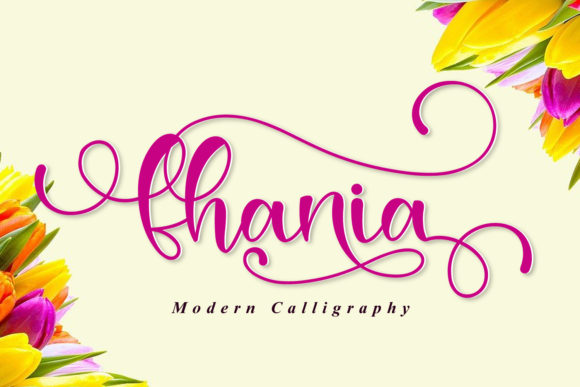
Whether you're designing wedding invitations, crafting thank-you cards, or creating a logo for your business, Loveable offers a refined aesthetic that stands out. Its unique characteristics, such as a varying baseline and smooth curves, give it a dynamic and organic look that feels both modern and timeless.
The Rise of Handwritten Typography in Modern Design
Typography has evolved significantly over the years, moving from rigid, structured fonts to more expressive and personalized styles. This shift reflects a broader cultural movement toward authenticity and individuality. People are increasingly seeking ways to add a personal touch to their work, whether in marketing materials, branding, or everyday communication.
Handwritten fonts like Loveable have become essential tools for designers who want to convey warmth and sincerity. Unlike traditional typefaces, which often feel impersonal, these fonts mimic the imperfections of real handwriting, creating a sense of connection and intimacy. This trend aligns with current user expectations, where customization and uniqueness are highly valued.
Why Loveable Stands Out in a Crowded Market
With so many fonts available, what makes Loveable different? Its combination of elegance and versatility sets it apart. The font features gorgeous glyphs and stunning alternates, allowing for creative flexibility without sacrificing readability. This makes it suitable for a wide range of applications, from formal documents to casual designs.
One of Loveable's most appealing qualities is its ability to adapt to various contexts. Whether used in a professional setting or a personal project, it maintains a consistent level of sophistication. Its varying baseline adds visual interest, preventing designs from looking flat or monotonous. This subtle detail enhances the overall aesthetic, making every piece more engaging.
Practical Applications for Professionals and Creatives
For professionals, Loveable offers a way to elevate their brand identity. Business cards, logos, and marketing materials can benefit from its elegant style, helping to create a memorable impression. In industries where personalization is key—such as weddings, events, and hospitality—Loveable provides a distinctive touch that resonates with clients.
Creators and artists also find value in Loveable for its artistic potential. It works well with quotes, greeting cards, and social media content, adding a handcrafted feel that appeals to audiences looking for something unique. Its smooth lines and graceful curves make it ideal for projects that require a soft, inviting tone.
How Loveable Fits Into Modern Workflows
As remote work and digital collaboration become the norm, the need for visually appealing and easy-to-use design tools has never been greater. Loveable integrates seamlessly into modern workflows, offering a balance between creativity and functionality. Its compatibility with design software ensures that users can apply it effortlessly across different platforms.
Moreover, the font's adaptability makes it a valuable asset for teams working on diverse projects. From graphic designers to marketers, professionals can rely on Loveable to maintain a cohesive visual language while expressing individuality. This flexibility supports both efficiency and creativity in fast-paced environments.
Trends Shaping the Future of Typography
The increasing demand for personalized and expressive typography reflects broader shifts in consumer behavior. People are no longer satisfied with generic designs; they seek experiences that feel authentic and meaningful. This trend extends beyond aesthetics, influencing how brands communicate and connect with their audiences.
As technology continues to evolve, the role of typography in digital spaces becomes even more critical. Fonts like Loveable help bridge the gap between digital and physical interactions, offering a sense of warmth that complements the coldness of screens. This balance is essential for maintaining emotional engagement in an increasingly virtual world.
Recommendations for Using Loveable Effectively
To get the most out of Loveable, consider the following tips:
- Use it strategically: Apply Loveable to key elements such as headings, titles, or callouts to draw attention without overwhelming the design.
- Pair it with complementary fonts: Combine Loveable with a clean, sans-serif font for contrast and clarity, especially in larger text blocks.
- Experiment with spacing: The font's varying baseline allows for creative layout options. Play with line height and letter spacing to enhance readability and visual appeal.
- Test it in different formats: Ensure that Loveable looks good in both print and digital media, adjusting as needed for optimal results.
By incorporating Loveable thoughtfully, users can achieve a polished and professional look while maintaining a personal touch. This approach not only enhances the visual impact of their work but also reinforces the message they want to convey.
Looking Ahead: The Enduring Appeal of Handwritten Styles
As trends continue to evolve, the appeal of handwritten fonts like Loveable is likely to grow. Their ability to convey emotion, character, and individuality makes them a powerful tool in a designer's arsenal. Whether used for commercial or personal projects, these fonts offer a unique way to stand out in a crowded market.
Ultimately, Loveable represents more than just a typeface—it's a reflection of the values that drive modern design. Its elegance, versatility, and expressive nature make it a valuable resource for anyone looking to create meaningful and impactful visuals. As the demand for authenticity and personalization increases, fonts like Loveable will remain at the forefront of creative expression.