Howard Jades: A Timeless Handwritten Font for Modern Design
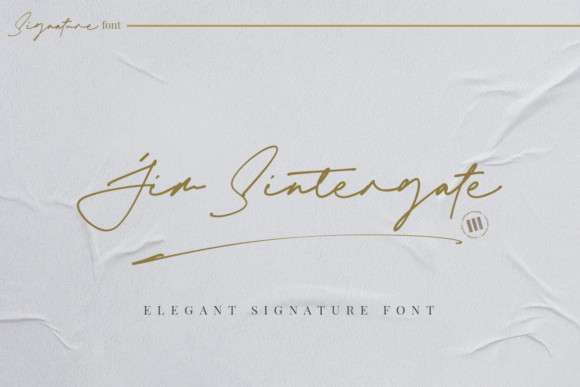
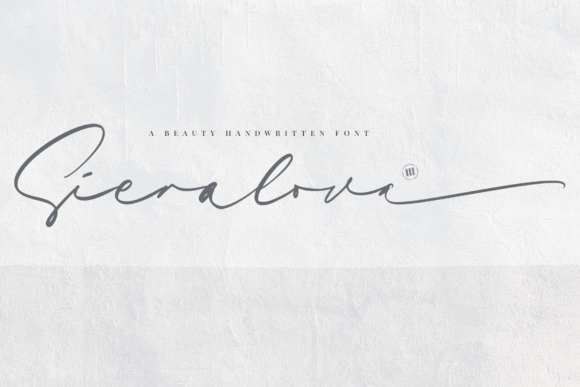
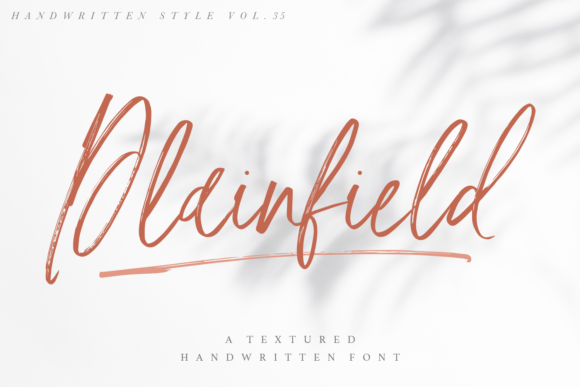
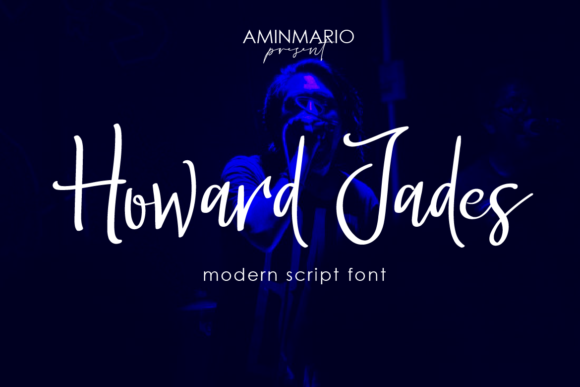
In the ever-evolving world of design, where trends come and go with the speed of a digital heartbeat, certain elements stand out as timeless classics. One such example is Howard Jades, a handwritten font that has captured the attention of designers, entrepreneurs, and creatives across various industries. With its delicate and distinct style, Howard Jades offers a unique blend of elegance and authenticity that resonates in both traditional and contemporary contexts.
At its core, Howard Jades is more than just a font—it's a statement. It embodies the charm of handwritten script, bringing a personal touch to digital designs. Whether it's used on wedding invitations, thank you cards, or business logos, this font adds a level of sophistication that feels genuine and heartfelt. In an age where mass-produced content often dominates, the appeal of a handwritten font like Howard Jades lies in its ability to convey warmth, individuality, and craftsmanship.
The Rise of Handwritten Typography in Modern Design
The resurgence of handwritten typography in recent years reflects a broader shift in consumer preferences. As people become increasingly inundated with digital content, there's a growing desire for authenticity and human connection. This trend is evident across multiple industries, from marketing and branding to packaging and editorial design. Brands are now seeking ways to differentiate themselves by incorporating elements that feel more personal and relatable.
Howard Jades fits perfectly into this movement. Its natural, flowing strokes evoke a sense of intimacy that can be difficult to achieve with standard typefaces. For businesses looking to build stronger emotional connections with their audience, this font serves as a powerful tool. It allows for a more personalized approach to communication, whether through social media posts, email newsletters, or printed materials.
Why Howard Jades Stands Out in a Crowded Market
With so many fonts available today, what makes Howard Jades stand out? The answer lies in its balance of uniqueness and versatility. Unlike some overly ornate or hard-to-read scripts, Howard Jades maintains a clean and legible structure while still retaining the charm of a hand-drawn font. This makes it suitable for a wide range of applications, from small text on business cards to large headlines on banners and signage.
Moreover, the font’s adaptability across different mediums is a key factor in its popularity. Whether used in print or digital formats, Howard Jades retains its visual integrity, ensuring consistency in brand messaging. This is particularly important in today’s multi-channel marketing landscape, where cohesive branding is essential for building trust and recognition.
Applications Across Industries and Use Cases
One of the most compelling aspects of Howard Jades is its broad applicability. From weddings and events to corporate branding and personal projects, this font has found a home in numerous creative spaces. Let’s explore some of the most common and impactful use cases:
- Wedding Invitations: Couples are increasingly choosing custom-designed invitations that reflect their personalities. Howard Jades adds a refined, elegant touch that complements the romantic and celebratory nature of weddings.
- Thank You Cards: In a world where digital communication often replaces handwritten notes, using Howard Jades on a thank you card can make a meaningful impression. It conveys gratitude with a personal and thoughtful flair.
- Business Cards: Entrepreneurs and professionals are leveraging handwritten fonts to create memorable first impressions. Howard Jades can be used to add a unique signature or tagline, setting a business apart from competitors.
- Logos and Branding: Many startups and independent brands are adopting handwritten fonts to communicate creativity, authenticity, and a human touch. Howard Jades provides a stylish yet professional option for logo design.
- Greeting Cards and Stationery: Whether for birthdays, holidays, or special occasions, Howard Jades enhances the visual appeal of greeting cards, making them more engaging and expressive.
These examples illustrate how Howard Jades can be integrated into various design projects to enhance their aesthetic and emotional impact. Its flexibility ensures that it remains relevant across different industries and creative disciplines.
Connecting with Broader Trends in Design and Consumer Behavior
The popularity of Howard Jades aligns with several broader trends shaping the design and marketing landscapes. One such trend is the increasing emphasis on storytelling and emotional engagement. Consumers today are not only looking for products or services—they want experiences that resonate on a personal level. By incorporating a handwritten font like Howard Jades, brands can tell a more authentic story that connects with their audience.
Another relevant trend is the rise of minimalism and simplicity in design. While Howard Jades may seem at odds with this trend due to its artistic nature, it actually complements it by offering a subtle yet distinctive element that doesn’t overwhelm the overall composition. This balance between artistry and restraint is what makes the font particularly appealing to modern designers.
Additionally, the growing demand for customization and personalization in marketing campaigns has made handwritten fonts more valuable than ever. With consumers seeking unique and tailored experiences, tools like Howard Jades enable brands to stand out in a crowded market. This is especially true in niches such as luxury goods, artisanal products, and independent publishing, where a personal touch can significantly influence purchasing decisions.
Practical Insights for Designers and Businesses
For designers and businesses looking to incorporate Howard Jades into their work, there are several practical considerations to keep in mind. First, it’s important to understand the font’s limitations and strengths. While it excels in smaller text sizes and decorative elements, it may not be ideal for long blocks of body text due to its intricate details.
Second, when working with clients or stakeholders, it’s helpful to explain the emotional and aesthetic value of the font. This can help set expectations and ensure that the final design meets both functional and stylistic goals. Providing examples of successful implementations can also be useful in demonstrating the font’s versatility and effectiveness.
Finally, staying up-to-date with font licensing and usage guidelines is crucial. Howard Jades, like any other font, comes with specific terms of use that must be followed to avoid legal issues. Ensuring compliance not only protects the designer or business but also respects the creator’s work and intellectual property.
Looking Ahead: The Future of Handwritten Fonts
As technology continues to evolve, the role of handwritten fonts like Howard Jades is likely to expand. Advances in AI and design software are making it easier for creators to experiment with typography, leading to new possibilities for custom fonts and hybrid styles. This could result in even more innovative uses of handwritten elements in both digital and physical media.
Furthermore, as sustainability and ethical consumption become more important to consumers, the demand for handmade and artisanal elements in design is expected to grow. Fonts like Howard Jades, which evoke a sense of craftsmanship and individuality, are well-positioned to benefit from this shift. They offer a way for brands to align with values that resonate with today’s conscious consumers.
In conclusion, Howard Jades is more than just a font—it’s a reflection of current design sensibilities and a tool for creating meaningful, authentic connections. Its unique qualities make it a valuable asset for professionals across various fields, and its relevance is only set to increase in the coming years. Whether used for weddings, branding, or everyday communication, Howard Jades continues to prove that a handwritten touch can have a lasting impact in the digital age.