Glintar: A Stylish Script Font for Elegant Design Workflows
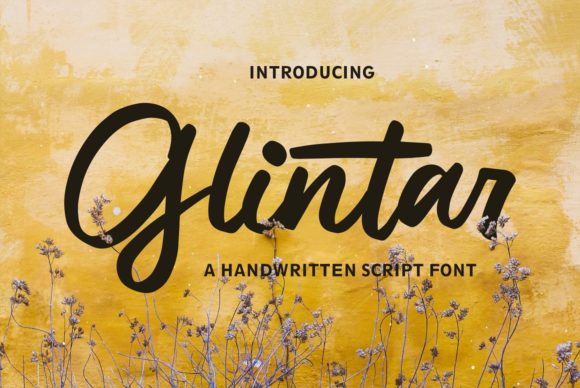
Glintar is a script font that combines elegance with a modern aesthetic, making it ideal for a wide range of design projects. Its flowing lines and refined structure offer a handwritten touch that can elevate any visual communication. Whether you're working on wedding invitations, logos, or business cards, Glintar provides a sophisticated look that stands out without being overly ornate.
Understanding where Glintar fits in your workflow is essential for maximizing its impact. This font isn’t just about style—it’s about how it integrates into the broader design process, from initial planning to final execution. By considering compatibility, usability, and practical application, you can ensure that Glintar enhances your work rather than complicates it.
Integrating Glintar into Your Design Process
Glintar can be used at various stages of a design project. Before starting, it’s useful to evaluate the purpose of the design and determine if a script font like Glintar aligns with the intended message. For instance, if you’re creating a wedding invitation, the elegance of Glintar can convey a sense of tradition and personalization. If you’re designing a logo, it can add a unique flair that differentiates your brand.
During the design phase, Glintar can help maintain consistency across multiple elements. Using a single font throughout a project ensures a cohesive look, which is especially important for branding materials. However, it’s also important to consider contrast—pairing Glintar with a more neutral typeface can prevent visual clutter while still allowing the script font to shine.
After the design is complete, Glintar can be part of quality control checks. Ensuring that the font displays correctly across different platforms and devices is crucial. Testing the font in various formats—such as print, web, and digital media—helps identify any potential issues before final delivery.
Practical Use Cases for Glintar
Glintar is particularly effective in design workflows that require a personal or artistic touch. For example, when creating thank you cards, the font adds a warm, handwritten feel that conveys appreciation more effectively than a standard sans-serif typeface. Similarly, in greeting cards, Glintar can make the message feel more heartfelt and intentional.
In the context of a business, Glintar can be used on business cards to create a memorable first impression. While professional settings often favor clean, minimal fonts, a well-chosen script can add character without compromising readability. It’s important to balance style with functionality—ensuring that contact information remains legible is key.
For creative professionals such as bloggers, artists, or educators, Glintar can enhance visual content. When used in social media posts, blog headers, or presentation slides, it can draw attention and add a layer of sophistication. However, it’s best to use it sparingly to avoid overwhelming the audience.
Workflow Examples and Implementation Tips
Consider a scenario where you’re designing a set of wedding invitations. Start by selecting Glintar as the primary font for the guest names and ceremony details. Pair it with a simpler typeface for the event information, such as the date and location. This combination keeps the design elegant while maintaining clarity.
Another example involves a small business owner looking to update their branding. They might use Glintar for their logo and website headings, while using a sans-serif font for body text. This approach allows the script font to stand out without affecting readability.
When implementing Glintar, it’s helpful to organize your design assets. Keep a dedicated folder for font files, and ensure that all team members have access to the same version. This practice reduces confusion and maintains consistency across projects.
Compatibility and Usability Considerations
Glintar is compatible with most design software, including Adobe Creative Suite, Canva, and other popular tools. Before using it in a project, verify that the font is properly licensed and supports the languages and characters needed for your work. Some script fonts may have limited character sets, so checking this in advance can save time later.
Usability is another factor to consider. While Glintar looks great in large sizes, it may become difficult to read in smaller text. Avoid using it for body copy unless the design specifically calls for a decorative element. Instead, use it for headings, titles, or accents where it can be most effective.
For long-term use, maintaining a library of fonts and their specifications can streamline your workflow. Documenting which fonts work best for different applications helps you make informed decisions quickly. This practice is especially useful for teams or freelancers who work on multiple projects simultaneously.
Enhancing Consistency and Quality Control
Consistency is key when using a font like Glintar. Establishing a style guide that includes font usage, spacing, and color schemes ensures that all designs remain aligned with your brand or project goals. This guide can also serve as a reference for others who may work on the same materials.
Quality control involves testing Glintar in different contexts. For example, if you’re preparing a print job, check how the font appears on paper versus on screen. Digital previews may not always reflect the final output, so proofreading is essential. Additionally, consider the resolution and file format to ensure that the font renders clearly in all mediums.
For digital projects, ensure that Glintar is embedded correctly in PDFs or web pages. Missing font files can lead to unexpected formatting issues, which can be difficult to resolve once the design is published.
Conclusion: Making Glintar Work for You
Glintar offers a versatile solution for designers seeking a stylish and elegant script font. Its adaptability makes it suitable for a wide range of applications, from formal invitations to creative branding. By understanding how it fits into your workflow and using it strategically, you can enhance the visual appeal of your designs while maintaining professionalism and clarity.
Whether you’re a professional designer, a small business owner, or a hobbyist, integrating Glintar into your projects can add a touch of refinement that sets your work apart. With careful planning, proper implementation, and attention to detail, Glintar can become an essential part of your design toolkit.