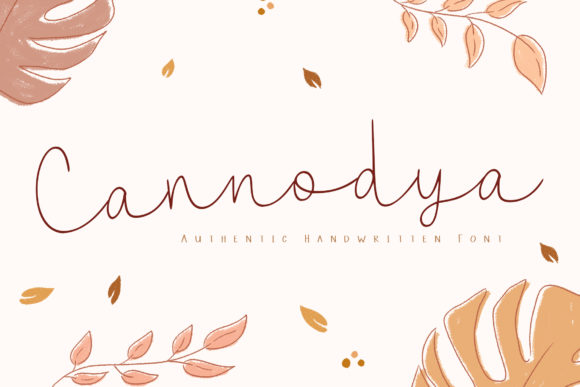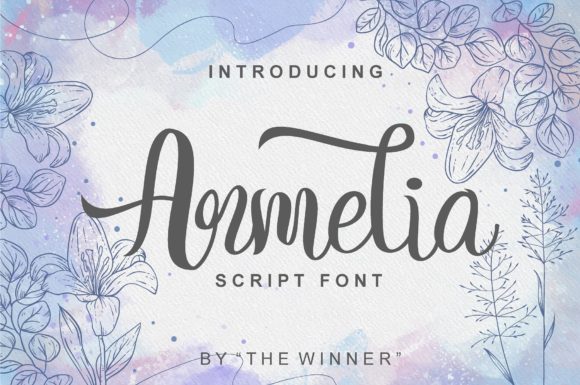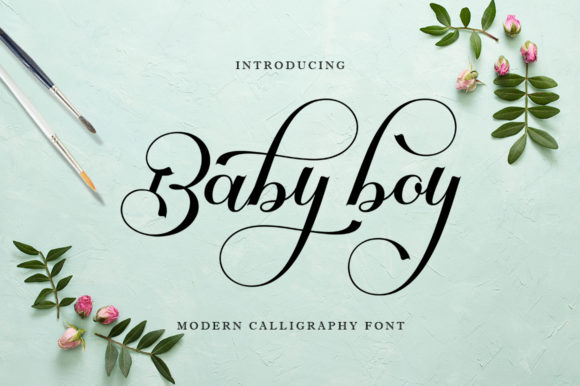
Apple: A Chic Handwritten Font for Strategic Design
The Apple font is more than just a stylistic choice—it's a powerful tool that can elevate your design work with its unique charm and personality. Designed to mimic a handwritten style, Apple adds a fresh, creative energy to any project. Whether you're crafting a logo, designing wedding invitations, or developing content for a blog, Apple offers a versatile and visually appealing option that stands out from the crowd.
For professionals in fields like marketing, branding, and graphic design, Apple provides a way to inject authenticity and warmth into their work. Its informal yet elegant look makes it ideal for projects that aim to connect emotionally with an audience. By choosing Apple, you're not just selecting a font—you're making a strategic decision about how your message is perceived and received.
Why Apple Matters in Modern Design
In today's digital landscape, where consistency and professionalism are key, Apple offers a refreshing alternative. It allows designers to break away from rigid, corporate fonts and embrace a more approachable aesthetic. This is especially valuable for small businesses, startups, and independent creators who want to build a distinct brand identity without compromising on quality.
Apple's versatility makes it suitable for a wide range of applications. From business cards to book covers, it can adapt to different formats while maintaining its signature style. The font's legibility ensures that it remains effective even in smaller sizes, making it a practical choice for both print and digital media.
Strategic Use of Apple in Branding and Communication
When used thoughtfully, Apple can reinforce your brand's voice and values. For instance, a boutique coffee shop might use Apple in its logo to convey a sense of creativity and community. Similarly, a wedding invitation that incorporates Apple can feel more personal and heartfelt, enhancing the emotional impact of the message.
However, the effectiveness of Apple depends on how well it aligns with your overall design strategy. Before integrating it into your work, consider the following factors:
- Brand Identity: Does Apple reflect the tone and personality of your brand?
- Target Audience: Will your audience respond positively to its casual, handwritten appearance?
- Context: Is the font appropriate for the medium and purpose of your design?
By answering these questions, you can ensure that Apple enhances rather than detracts from your goals.
Best Practices for Using Apple in Different Projects
Understanding when and how to use Apple is crucial for achieving the desired outcome. Here are some practical examples and tips:
- Logos: Apple works well for brands that want to appear friendly and innovative. Pair it with simple graphics to maintain clarity and professionalism.
- Wedding Invitations: Use Apple to add a personal touch to your invitations. Combine it with elegant typography for a balanced look.
- Blogs and Websites: Incorporate Apple in headings or callout sections to draw attention and create visual interest without overwhelming the reader.
- Business Cards: Apple can make your contact information stand out. Keep the rest of the design minimal to avoid clutter.
- Book Covers: For fiction or creative nonfiction, Apple can give your cover a distinctive, artistic flair that captures attention.
Each of these applications requires a thoughtful approach. The key is to use Apple as a complement to other design elements, not as a replacement for them.
Planning and Decision-Making with Apple
Before committing to Apple, take time to plan and evaluate its role in your design process. Consider how it will interact with other fonts, colors, and layouts. A well-planned integration ensures that your design remains cohesive and impactful.
One effective strategy is to test Apple in different contexts. Create mockups or prototypes to see how it performs in various scenarios. This helps identify potential issues early and allows for adjustments before finalizing your work.
Additionally, think about the long-term value of using Apple. Will it continue to serve your needs as your brand evolves? A font that feels relevant today may not hold the same appeal tomorrow, so choose wisely.
Risks of Using Apple Without Clear Intent
While Apple is a great choice, it's important to recognize the risks of using it without a clear purpose. Overusing the font can lead to a lack of professionalism, especially in formal settings. It may also confuse your audience if it doesn't align with your brand's messaging.
Another risk is poor readability. Although Apple is generally legible, it may not be the best option for large blocks of text. Use it sparingly and pair it with more traditional fonts for body copy to maintain clarity and accessibility.
Finally, be mindful of the context. A handwritten font may not be appropriate for every project. For example, a financial institution or legal firm may prefer a more structured and professional typeface. Always consider the expectations of your audience and the nature of your work.
Intentional Use of Apple for Better Results
To get the most out of Apple, approach it with intention. Ask yourself: What do I want this design to communicate? How will Apple help me achieve that goal? By answering these questions, you can make more informed decisions and avoid random or haphazard use.
Consider the following steps to use Apple intentionally:
- Define Your Objective: Clarify what you want your design to accomplish—whether it's to inspire, inform, or persuade.
- Research Similar Designs: Look at how others have used Apple in their work to gain inspiration and avoid common pitfalls.
- Test and Refine: Experiment with different placements, sizes, and combinations to find the most effective solution.
- Seek Feedback: Get input from colleagues, clients, or target users to ensure your design resonates with the intended audience.
These steps help you move beyond surface-level design choices and focus on meaningful, strategic outcomes.
Long-Term Value of Apple in Creative Work
Apple's enduring appeal lies in its ability to bring a human touch to digital and print media. As more brands seek to differentiate themselves, fonts like Apple offer a way to stand out while maintaining a sense of authenticity.
For creators and entrepreneurs, Apple can be a valuable asset in building a unique brand presence. It encourages creativity and experimentation, allowing you to explore new ways of expressing your ideas. Over time, this can lead to more engaging and memorable designs that resonate with your audience.
Ultimately, the success of Apple in your work depends on how well you understand its strengths and limitations. By using it strategically, you can enhance your design capabilities and achieve better results in your projects.